
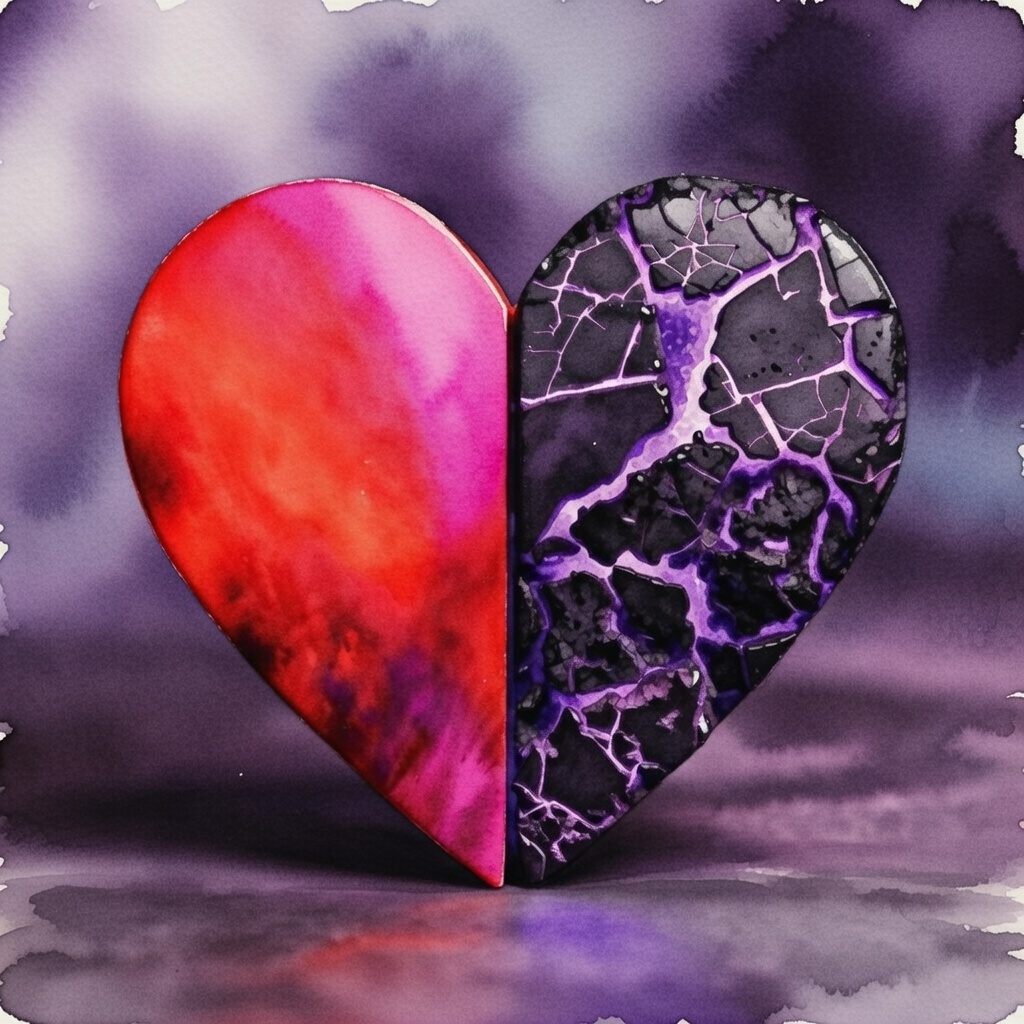
In the boundless flow of the Tao, love and romance are not conquests or possessions but natural expressions of the universe’s rhythm. Taoism, with its emphasis on wu wei (effortless action), ziran (spontaneity), and the interplay of yin and yang, invites us to approach romantic experiences without force or attachment. Taoists see love as a fluid dance—ever-changing, interdependent, and rooted in balance. This post explores key facets of romance through a Taoist lens, revealing how embracing impermanence transforms heartache into wisdom and passion into enduring harmony.
Love and Romance: The Natural Union of Yin and Yang
Love, in Taoism, mirrors the harmonious blend of yin (receptive, soft) and yang (active, firm). The Tao Te Ching (Chapter 42) describes how “the Tao gives birth to one, one to two,” symbolizing how opposites unite to create wholeness. Romance thrives when partners flow together effortlessly, like water shaping to its container—fostering mutual growth, joy, and intimacy without domination.
Yet, forced romance disrupts this balance, leading to illusion and exhaustion. Zhuangzi warns against artificial pursuits, as in his parables of dream-like realities, where chasing idealized love blinds us to authentic connections. The sage loves spontaneously, finding romance in simple shared moments, free from expectations.
Rejection: Embracing Impermanence
Rejection stings as a perceived loss, but Taoism views it as a natural redirection in life’s stream. Laozi reminds us in Chapter 64: “What is brittle is easy to break,” urging us not to cling rigidly to desires. Positively, rejection teaches humility and self-awareness, clearing paths for truer alignments, much like pruning a tree for healthier growth.
Negatively, dwelling on it breeds resentment, blocking qi flow. The Liezi illustrates yielding to change through stories of effortless adaptation, encouraging us to release attachments and trust the Tao’s unfolding, turning rejection into an opportunity for inner strength.
Heartache: The Shadow That Reveals Light
Heartache, the deep sorrow of unfulfilled love, embodies yin’s introspective depth. The Zhuangzi embraces such pain as part of life’s transformations—Zhuangzi’s equanimity at his wife’s death shows how grief, when accepted, leads to profound insight and renewal, fostering empathy and resilience.
However, prolonged heartache can stagnate energy, creating disharmony. Taoism counters this with wu wei: observe emotions without resistance, as water wears away stone over time. Practices like meditation on impermanence help dissolve sorrow, revealing heartache’s role in deepening our capacity for love.
Marriage: A Balanced Partnership in Flow
Marriage represents a committed union, akin to the Tao’s eternal cycle. The Huainanzi emphasizes mutual nourishment through balanced roles, where partners support each other’s essence without possession—promoting stability, shared purpose, and lasting fulfillment.
On the flip side, rigid expectations in marriage invite conflict, as warned in the Tao Te Ching (Chapter 29): “Those who try to control the world fail.” When viewed as ownership, it stifles ziran, leading to resentment. Taoism advocates flexible harmony, adapting like seasons to sustain the bond.
Other Romantic Actions: Kisses, Commitments, and Beyond
Romantic gestures—like kisses or vows—carry the Tao’s spontaneity when genuine. The canon celebrates unforced expressions, as in Zhuangzi’s carefree spirit, enhancing connection and vitality. Yet, performative actions risk superficiality, diluting true intimacy. Taoism encourages actions arising from inner alignment, ensuring they enrich rather than complicate the relational flow.
In essence, Taoism teaches that love’s spectrum—from ecstasy to ache—is the Tao manifesting. By flowing without grasping, we find peace amid passion. As Laozi notes, “Return to simplicity,” and let love unfold naturally.
 The Half-assed Taoist
Leave a comment