
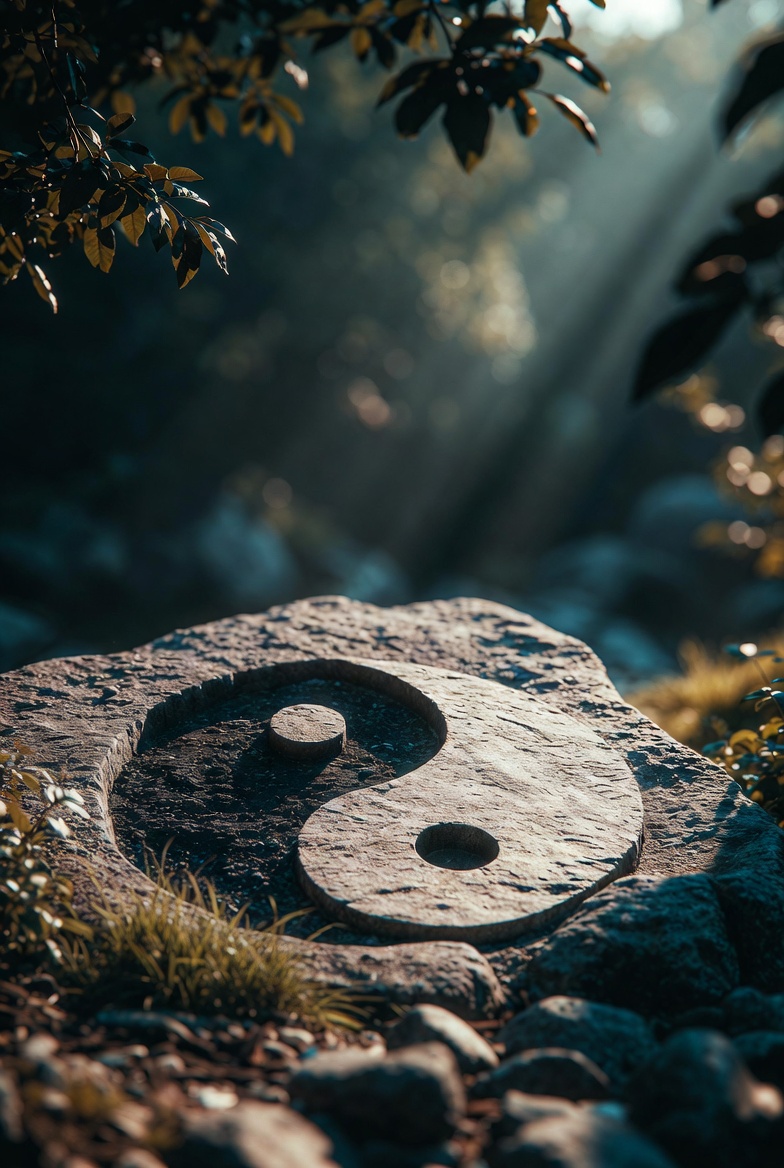
In the quiet wisdom of Taoism, life’s hardships—including the deep wounds from abusive parents—are not battles to win but currents to flow with. The Tao Te Ching teaches that “the soft overcomes the hard,” reminding us that rigidity amplifies suffering, while flexibility fosters peace. For those who’ve endured parental abuse, this philosophy offers a gentle path to address the pain, heal without force, and approach their abuser’s death with equanimity. Drawing from personal reflection and Taoist principles like wu wei (effortless action), impermanence, and yin-yang balance, let’s explore this journey.
Addressing Abuse: Acceptance Without Resistance
Abuse from a parent, such as an emotionally or physically abusive mother, shatters the natural harmony of family. In my case, it led to no contact for over 20 years—a necessary boundary to protect my well-being. Taoism views such severance not as failure but as alignment with ziran (naturalness). The Zhuangzi illustrates this through parables of transformation, like the fish turning into a bird, urging us to release what no longer serves without bitterness.
To address it, practice wu wei: observe the abuse’s impact without self-judgment. Journaling or meditation can help acknowledge the hurt as part of life’s duality—yin pain birthing yang resilience. Seek therapy rooted in mindfulness, blending Taoist acceptance with modern tools to unpack patterns. Avoid confrontation if it stirs more turmoil; instead, flow around the obstacle, cultivating inner strength like water eroding stone over time.
Healing the Wounds: Embracing Impermanence
Healing from parental abuse means grieving a relationship that never was—or one that ended long ago. For me, cutting ties two decades back meant mourning the mother I wished for, even as the real one lingered in memory. Taoism sees this grief as impermanent, like seasons cycling; the Huainanzi emphasizes harmonizing with nature’s changes to restore qi (vital energy).
Begin with self-compassion: practices like tai chi or qigong unblock stagnant emotions, embodying the Tao’s flow. Forgive not for the abuser’s sake but to free yourself—Zhuangzi’s equanimity in loss teaches detachment from resentment. Surround yourself with supportive relationships that mirror yin-yang balance, nurturing wholeness. Over time, this transforms scars into wisdom, turning isolation into serene independence.
Approaching Death: Peace Amid Guilt
The death of an abusive parent can evoke a storm of emotions: relief, peace, and gnawing guilt. When my abusive mother passed, I felt an unexpected release—a weight lifted after years of no contact—yet guilt whispered that such feelings were wrong. Taoism reframes this: the Liezi speaks of death as a natural return to the Tao, neither good nor bad. Guilt arises from clinging to societal ideals of filial piety, but true harmony lies in accepting your truth without force.
Approach it through ritual and reflection: honor the life cycle with a simple meditation, releasing attachments as Laozi advises in Chapter 16: “All things flourish, but each returns to its root.” Feel the peace as yang emerging from yin’s shadow, and let guilt dissolve like mist in sunlight. If reconciliation feels right, do so gently; otherwise, embrace the closure as the Tao’s impartial flow.
In Taoism’s embrace, abusive parents become teachers of resilience, their deaths a doorway to freedom. By flowing with these experiences, we find not just healing, but profound inner peace. As the Tao Te Ching whispers, “Return to the root and find repose.”
 The Half-assed Taoist
Leave a comment